Skeleton Icon: Versatile Vector Assets
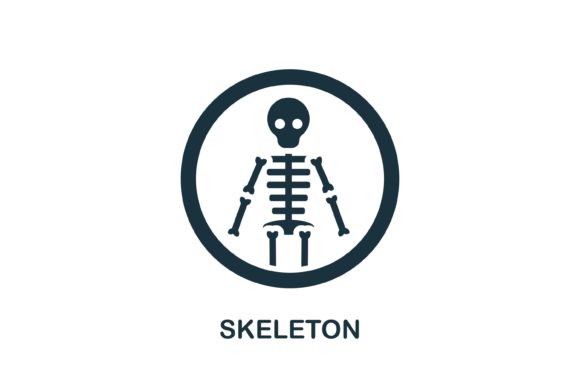
Elevate your next creative project with a versatile Skeleton Icon that balances anatomical precision with modern minimalist aesthetics. Whether you are developing a healthcare brand, an educational platform, or a seasonal marketing campaign, having access to high-quality vector graphics is essential for maintaining professional standards. This simple illustration from the internal organs collection serves as more than just a decorative element; it is a functional communication tool that enhances visual hierarchy and user engagement across digital and print mediums.
The Role of Anatomical Graphics in Visual Design
In contemporary graphic design, clarity often outweighs complexity. A monochrome Skeleton icon provides immediate recognition without visual clutter, making it ideal for interfaces where space is limited. Unlike detailed medical illustrations that can overwhelm a layout, this stylized symbol integrates seamlessly into web design, templates, and infographics. The clean lines and balanced proportions ensure that the asset remains legible at small sizes, such as mobile app navigation bars, while retaining enough detail to serve as a focal point in larger editorial spreads or packaging design.
For designers focused on brand identity, consistency is paramount. Using a unified visual language helps establish trust and recognition. Because this asset is delivered as a vector, it aligns perfectly with existing design systems. You can scale it infinitely for a billboard or shrink it for a favicon without losing crispness. This scalability is crucial for omnichannel marketing strategies where visual assets must perform equally well on social media graphics, merchandise, and corporate presentations.
Practical Applications Across Creative Projects
The utility of a well-crafted skeleton symbol extends far beyond medical contexts. Creative professionals leverage these assets to convey concepts related to structure, foundation, transparency, and vitality. Here are several ways to integrate this resource into your workflow:
- UI and UX Design: Use as intuitive indicators for health tracking apps, fitness dashboards, or anatomy education modules.
- Editorial and Print: Enhance magazine layouts, textbook diagrams, or scientific posters with clean, non-distracting imagery.
- Digital Marketing: Create engaging social media content or ad creatives that communicate health-related messages quickly.
- Merchandise and Apparel: Apply scalable vectors to t-shirts, tote bags, or stickers for brands targeting wellness or alternative aesthetics.
- Infographics: Simplify complex biological data into digestible visual narratives for reports and whitepapers.
Technical Advantages for Professional Workflows
Efficiency in the design workflow often depends on file format and editability. When you acquire this Skeleton icon, you receive both EPS and JPG files, covering the full spectrum of production needs. The EPS file is the industry standard for vector graphics, allowing you to open the asset in Adobe Illustrator, CorelDRAW, or Affinity Designer. This means you can easily adjust stroke weights, modify curves, or recolor the icon to match your specific color palette and typography choices. Customization ensures the asset feels native to your project rather than like generic stock art.
The included JPG file offers immediate usability for quick mockups, client presentations, or web placements where vector support is unnecessary. However, for long-term brand assets and logo design integration, always prioritize the editable vector source. This flexibility allows you to adapt the monochrome style to duotones, gradients, or solid fills, ensuring the graphic evolves alongside your creative direction. Easy-to-edit assets reduce production time, allowing you to focus on composition and storytelling rather than redrawing basic shapes.
Selecting and Integrating Design Assets Effectively
When incorporating anatomical symbols into your work, consider the emotional tone and audience expectations. A skeleton can represent morbidity in one context and structural integrity in another. Contextualize the icon through thoughtful pairing with typography and negative space. For example, combining this simple illustration with sans-serif typefaces and ample whitespace creates a clinical, modern aesthetic suitable for tech-health startups. Conversely, pairing it with textured backgrounds or serif fonts might evoke a vintage or academic feel.
Always evaluate the visual weight of the icon relative to surrounding elements. In UI design, ensure the Skeleton icon maintains optical balance with other interface symbols to preserve a cohesive user experience. In print design, verify that line thicknesses remain visible after trimming and binding. Thoughtful selection and precise implementation transform a basic graphic into a powerful component of your visual communication strategy.
Ultimately, the quality of your creative output relies on the caliber of your resources. Investing in premium, editable vector assets like this Skeleton icon streamlines your process and elevates the final result. By prioritizing versatility, technical compatibility, and aesthetic refinement, you ensure that every design choice contributes to a polished, professional presentation that resonates with your target audience and strengthens your overall brand narrative.